By Brisbane News Desk · Published 25 July 2026, 9:59 am · written 5 July 2026
3 min read
Updated Wed, 2 Sep· 2 September 2026, 9:26 pm
AI-assisted · risk-based human review▾
AI-assisted journalism under human editorial accountability and risk-based review. AI may assist with research, summarising and drafting. Where public source links underpin the article, they are shown below. Sensitive material is held for human review; some lower-risk material may be published automatically after sourcing, accuracy and safety checks. The Daily Brisbane covers Brisbane news. It is provided for general information only and is not professional, legal, financial, or medical advice. Read about our editorial care →
The Daily Brisbane
Brisbane is on the cusp of a major transformation, with the 2032 Olympics and a population boom driven by migration from NSW and VIC. The city's population is projected to grow by over 50% in the next 20 years, putting pressure on infrastructure, housing, and transport.
The current development boom in Brisbane matters now because it will determine the city's livability, affordability, and economic viability for decades to come. The Queensland LNP government has committed to delivering key infrastructure projects, including the Gabba rebuild and the Cross River Rail, but there are concerns about the impact on local communities and the environment. Organisations such as the Brisbane City Council and the Urban Development Institute of Australia (UDIA) are playing a crucial role in shaping the city's development.
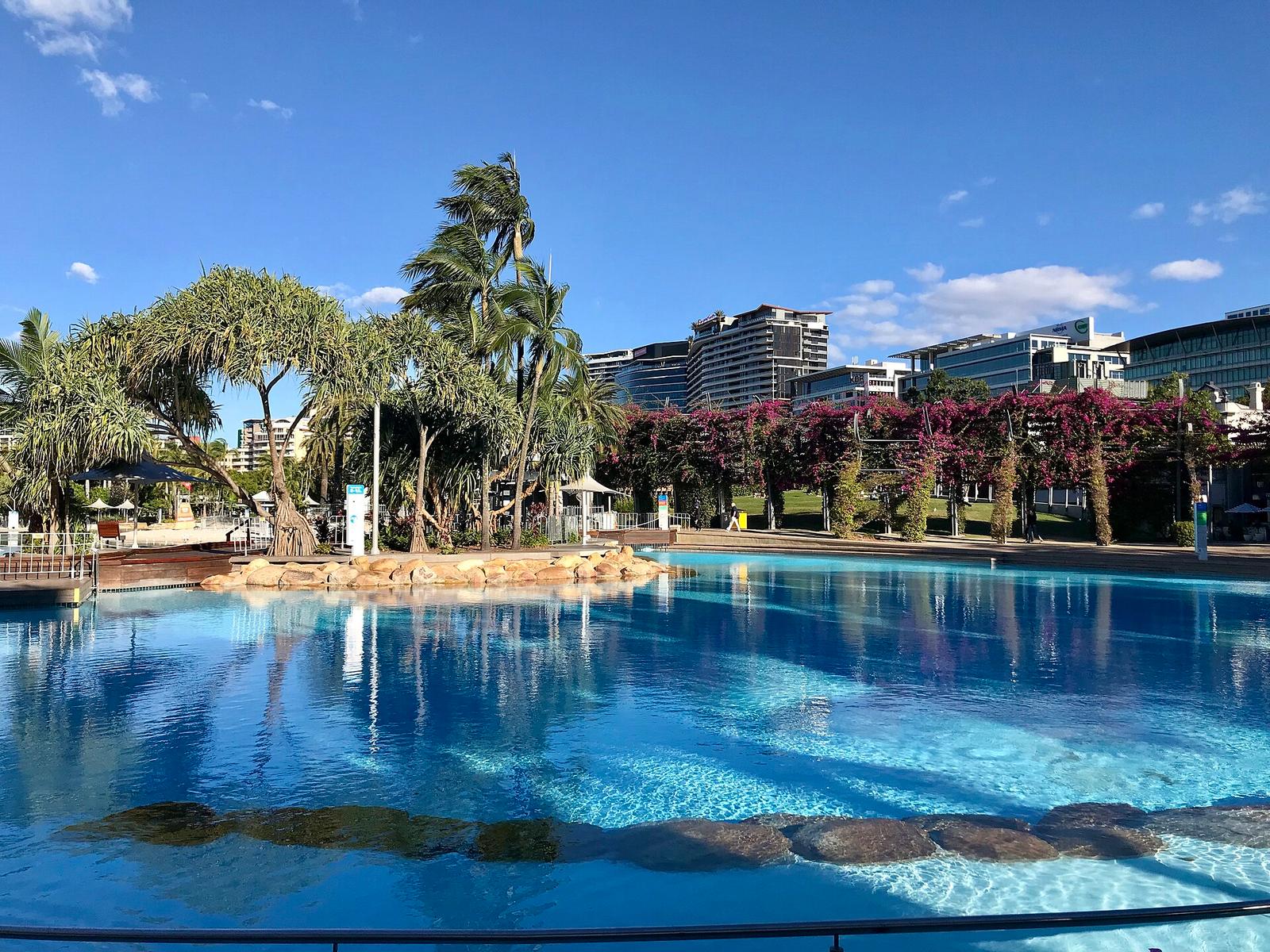
In local areas such as South Bank, Woolloongabba, and Yeerongpilly, there are already signs of significant development, with new apartments, offices, and retail spaces springing up. The Brisbane River will also be a key focus, with plans for a new riverwalk and revitalisation of the Eagle Street Pier. The Queensland Government's ShapingSEQ program, which aims to deliver 947,000 new homes by 2047, will also have a major impact on the city's development. Meanwhile, the Logan and Ipswich development corridors are expected to accommodate significant growth, with new housing estates and commercial precincts planned for areas such as Springfield and Redbank Plains.
Key Statistics and Challenges
According to data from the Australian Bureau of Statistics (ABS), the population of South East Queensland (SEQ) is projected to reach 5.3 million by 2036, up from 3.8 million in 2021. The median house price in Brisbane is currently around $840,000, according to CoreLogic, while the average rent for a three-bedroom house is $520 per week. With the Olympics just six years away, there is a pressing need for key decisions to be made on infrastructure, housing, and transport. The Queensland Government has committed to investing $20 billion in transport infrastructure over the next 10 years, including $5.4 billion for the Cross River Rail project.
So what happens next? In the short term, the Queensland Government will need to make key decisions on the Gabba rebuild, the Cross River Rail, and the ShapingSEQ program. The Brisbane City Council will also play a crucial role in shaping the city's development, particularly in areas such as South Bank and the Brisbane River. For residents and businesses, it will be essential to stay informed about the latest developments and to have a say in the decision-making process. With careful planning and investment, Brisbane can emerge from this period of transformation as a more livable, affordable, and economically viable city.
Covering news in Brisbane. Written by AI from the linked sources and not reviewed by a journalist before publishing. Sources are linked where available. Spotted an error or need a correction? Contact corrections@dailynetwork.news. Our reasonable editorial care.
Beta: AI-assisted and human-overseen. Details may be imperfect, so please verify anything important.
Spread the word
Share
Daily brief
Enjoyed this? Wake up to Brisbane news every morning.